
Don't Lose Your Ride: Exploring Chapter 7 and 13 Bankruptcy for Car Loans Have you ever found yourself struggling to make payments on your car loan? You're not ...
Exemptions in Chapter 7 Bankruptcy in Portland Oregon
If you are considering filing for Chapter 7 bankruptcy in Portland, Oregon, you may be feeling overwhelmed and uncertain about the process. However, understanding the exemptions available to you is crucial to protecting your assets and securing a successful outcome. Working with a Chapter 7 bankruptcy lawyer can be an excellent resource in helping you identify and utilize exemptions in chapter 7 bankruptcy in Portland OR available to you. Chapter 7 bankruptcy lawyers have extensive knowledge and experience in bankruptcy law and can provide you with invaluable guidance and support throughout the process.
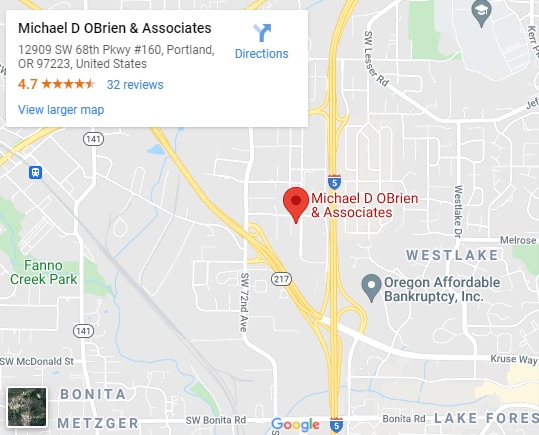
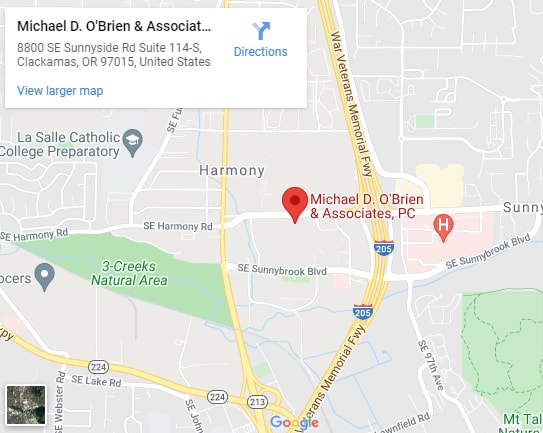
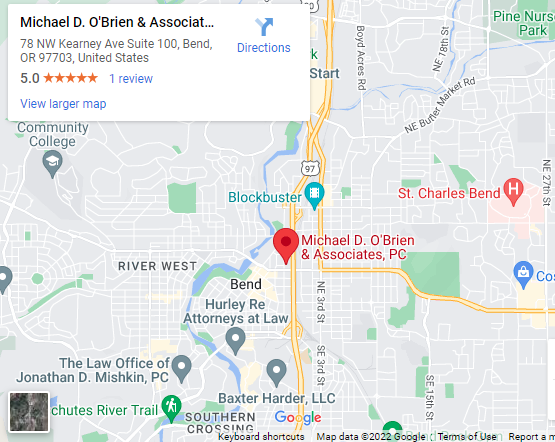
If you need a bankruptcy attorney in Oregon (Portland, Bend, and Clackamas), contact Michael D. O’Brien & Associates, P.C. for a free consultation. Our experienced Chapter 7 bankruptcy lawyers can guide you through the process and help you protect your assets. Don’t face bankruptcy alone, call us today!
Why Do I Need a Portland Chapter 7 Bankruptcy?
Working with a Portland Chapter 7 bankruptcy lawyer can help you identify the exemptions available to you. Here are some reasons why you may need a Portland Chapter 7 bankruptcy lawyer:
- Determine which exemptions apply to your assets: A Chapter 7 bankruptcy lawyer can help you understand the exemptions available under both federal and Oregon state law.
- Protect your assets from liquidation: Exemptions allow you to protect certain assets from liquidation during bankruptcy. A Chapter 7 bankruptcy lawyer can help you properly claim exemptions and ensure that you are able to keep as much of your property as possible.
- Maximize the benefits of bankruptcy: A Chapter 7 bankruptcy lawyer can help you strategically to maximize Chapter 7 bankruptcy benefits, understand the process, and make informed decisions about how to approach your case.
- Navigate the bankruptcy process: A Chapter 7 bankruptcy lawyer can provide you with guidance and support throughout the process, helping you avoid mistakes and achieve a successful outcome.
That being said if you are wondering what exemptions can be applied in your case, Michael D. O’Brien & Associates, P.C. law firm can help. Our Portland chapter 7 bankruptcy lawyer has a lot of experience in handling chapter 7 bankruptcy cases. We can guide you through your process and help you identify potential exemptions that can be included. Don’t wait to take control of your finances. Be in touch with Michael D. O’Brien & Associates, P.C. today.
What is Exemption in Chapter 7 Bankruptcy?
An exemption in Chapter 7 bankruptcy refers to a portion of your property or assets that are protected from being sold or liquidated to pay off your creditors. Essentially, exemptions allow you to keep certain assets even if you file for Chapter 7 bankruptcy in Portland, Oregon. The purpose of exemptions is to provide debtors with a fresh start and be allowed to maintain a basic standard of living after bankruptcy. It is important to note that exemptions are not automatic, and you must properly claim them in your bankruptcy filing to ensure that your assets are protected.
What Assets or Properties Can Be Exempted in Chapter 7 Bankruptcy?
In a Chapter 7 bankruptcy in Oregon, debtors may be able to exempt certain assets or properties from being used to repay creditors. Here are some common exemptions available in Oregon:
- Homestead exemption: Debtors can exempt up to $60,000 in equity in their primary residence, or $125,000 if they are 65 or older, disabled, or a widower.
- Personal property exemption: Debtors can exempt up to $3,000 in household goods, furniture, appliances, and clothing. They can also exempt up to $1,000 in jewelry, up to $1,000 in firearms, and up to $2,700 in one motor vehicle.
- Tools of the trade exemption: Debtors can exempt up to $10,000 in tools, equipment, and supplies that are necessary for their occupation.
- Retirement account exemption: Retirement accounts such as 401(k)s, IRAs, and pension plans are fully exempt.
- Wildcard exemption: Oregon has a wildcard exemption that can be used to exempt up to $400 in any type of property.
It’s important to note that these exemption amounts are subject to change and may not apply to every situation. Consulting with a bankruptcy attorney in Oregon, such as Michael D. O’Brien & Associates, P.C., can help you understand your specific exemptions and how they may apply to your situation.
What are Non-Exempt Properties in an Oregon Chapter 7 Bankruptcy?
In an Oregon Chapter 7 bankruptcy, non-exempt properties are assets or properties that are not protected or exempt from the bankruptcy process. This means that these assets or properties can be sold by the bankruptcy trustee to pay off your debts to creditors.
The specific non-exempt properties in an Oregon Chapter 7 bankruptcy case can vary depending on your specific circumstances and the exemptions you are eligible for. However, some examples of non-exempt properties in an Oregon Chapter 7 bankruptcy case may include:
- Real estate that exceeds the state’s homestead exemption limit
- Vehicles with equity beyond the exemption limit
- Cash, bank accounts, and investment accounts above the exemption limit
- Valuable personal property such as artwork, jewelry, and collectibles
- Non-essential business assets
- Lawsuit settlements or inheritances received within 180 days of filing for bankruptcy
It’s important to note that exemptions in Oregon can vary depending on the county in which you file for bankruptcy, so it’s crucial to consult with a bankruptcy attorney to determine which of your properties are exempt or non-exempt in your specific situation.
What Happens to Assets That Are Not Exempt?
Assets that are not exempt from Chapter 7 bankruptcy in Oregon may be sold or liquidated by the bankruptcy trustee to pay off the debtor’s creditors. This means that the trustee will take control of the non-exempt assets and sell them, with the proceeds being distributed to the debtor’s creditors according to the priority of their claims. In some cases, debtors may be able to negotiate with their creditors to retain non-exempt assets, such as through a reaffirmation agreement or redemption of the property.
What is the Trustee’s Role in Exemptions?
In a Chapter 7 bankruptcy case in Oregon, the bankruptcy trustee’s role is to review the debtor’s claimed exemptions and determine whether they are valid under the state and federal exemption laws. If the trustee believes that an exemption is invalid, they may object to the exemption and seek to have the asset in question sold to pay off the debtor’s creditors. However, if the trustee determines that the exemptions are valid, they will allow the debtor to keep the exempt assets.
Does the State of Oregon Allow Federal Exemption?
In bankruptcy cases, exemptions are determined by state law. While some states allow debtors to use federal exemptions, Oregon is not one of them.
In Oregon bankruptcy cases, debtors must use Oregon’s state-specific bankruptcy exemptions to protect their property. The Oregon exemption scheme is outlined in ORS 18.345 to ORS 18.385.
Under Oregon law, debtors can exempt certain types of property from being taken by creditors in bankruptcy. The specific exemptions available to a debtor depend on the nature of the property and its value, as well as the debtor’s personal circumstances.
Therefore, in summary, Oregon does not allow the use of federal exemptions in bankruptcy cases. Instead, Oregon has its own set of exemptions that must be used in bankruptcy proceedings.
Can Creditors Challenge My Claimed Exemptions?
Yes, creditors can challenge a debtor’s claimed exemptions in a Chapter 7 bankruptcy case in Oregon. In fact, creditors are given a limited period of time to object to the debtor’s claimed exemptions after the trustee files the Notice of Exempt Property with the court. If a creditor believes that the debtor has improperly claimed an exemption, they can file a motion with the court to challenge the exemption.
If a creditor successfully challenges a debtor’s claimed exemption, the asset in question may be subject to liquidation by the bankruptcy trustee to pay off the debtor’s creditors. However, creditors must have a valid legal basis to challenge an exemption, such as a lack of documentation or evidence supporting the debtor’s claimed exemption.
What Happens if I Improperly Claim Exemptions?
If you improperly claim exemptions in a Chapter 7 bankruptcy case in Oregon, your bankruptcy trustee or creditors may challenge your claimed exemptions. If the challenge is successful, the court may deny your exemption claim, and the asset in question may become available for the trustee to liquidate and distribute among your creditors.
Additionally, if the court determines that you intentionally or fraudulently made an improper exemption claim, you may face serious consequences, including fines, sanctions, and even criminal charges.
Call Our Portland Chapter 7 Bankruptcy Now!
If you’re struggling with financial difficulties and considering bankruptcy, it’s important to know your rights and understand how to protect your assets. Filing for Chapter 7 bankruptcy in Portland, Oregon, can be complicated, and you need the help of an experienced and knowledgeable attorney to ensure that you achieve a successful outcome.
In addition to Chapter 7 bankruptcy, we also offer assistance with:
- Chapter 11 and Chapter 13 bankruptcy,
- lien stripping,
- small business bankruptcy,
- stopping repossession,
- garnishment,
- foreclosure, and
- student loan problems.
We can also help with:
- wills,
- living wills,
- trusts,
- probate,
- advanced healthcare directives,
- asset protection, and
- power of attorney.
At Michael D. O’Brien & Associates, P.C., we are committed to providing our clients with the highest level of legal representation and support. If you’re considering filing for bankruptcy in Portland, Oregon, contact us today to schedule a free consultation and take the first step towards a brighter financial future.

Filing Bankruptcy? Facing Debt Problems? Our Oregon Attorneys are here to help!
Copyright 2024 Michael D. O'Brien & Associates, P.C. - All Rights Reserved. Powered by Advantage Attorney Marketing & Cloud Solutions